
Meta Description: Compare 3-mode vs dual-mode controllers. Learn which multi-mode controller delivers the best performance and value for your e-bike build.
Introduction
3-mode controllers offer maximum versatility with sine wave, square wave, and sensorless operation, while dual-mode controllers provide a cost-effective balance between performance and simplicity. The choice depends on whether you prioritize ultimate flexibility and backup capability or prefer streamlined operation with lower complexity and cost.
Modern multi-mode controllers have revolutionized e-bike performance by allowing riders to optimize their system for different conditions. JRAHK’s intelligent tri-mode controllers feature automatic switching capabilities and fail-safe technology that provides seamless transitions between modes, ensuring optimal performance regardless of riding conditions or sensor status.
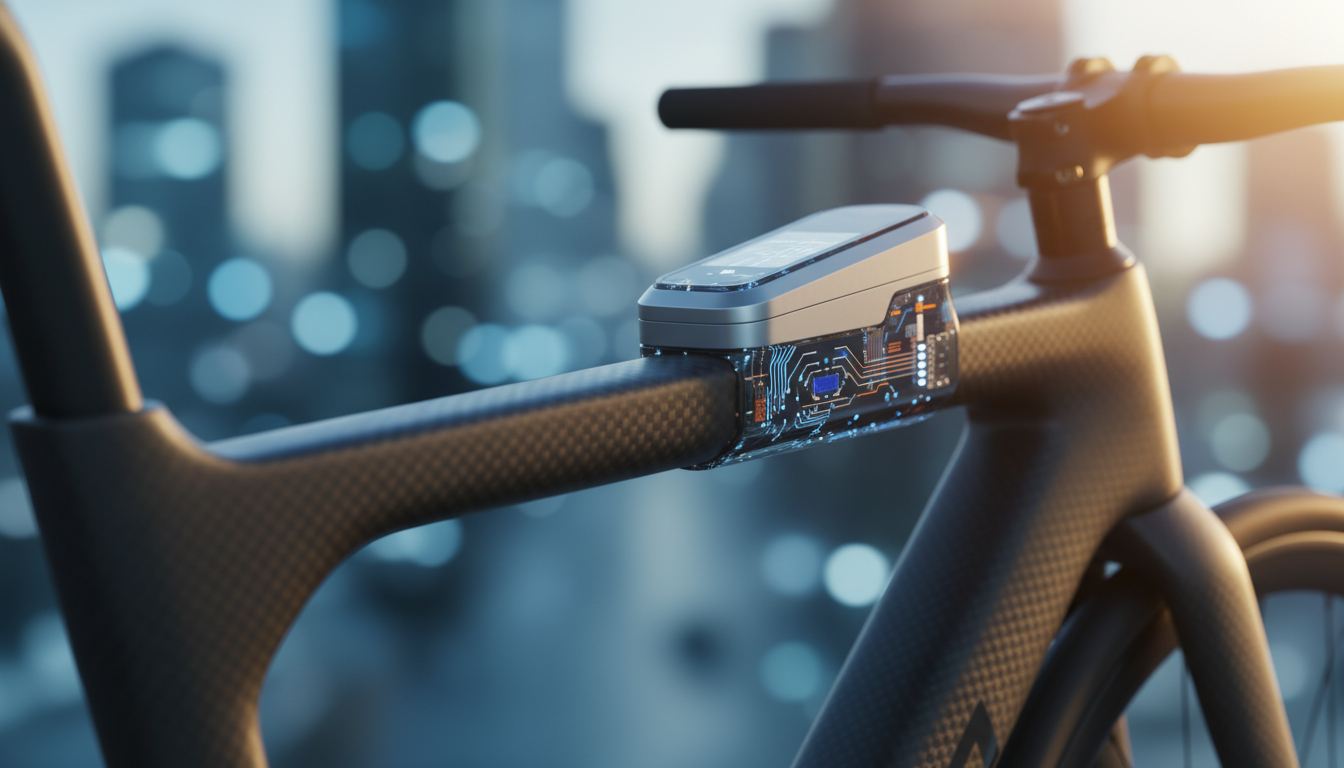
A premium electric bike controller integrated into a modern high-performance frame.
Understanding Multi-Mode Technology
3-Mode Controller Capabilities
3-mode controllers provide three distinct operating modes:
Sine Wave Mode (FOC):
- Ultra-smooth, silent operation
- Maximum efficiency (94-97%)
- Ideal for urban commuting and quiet environments
- Premium ride quality with minimal vibration
Square Wave Mode:
- Maximum torque output for demanding conditions
- Instant response for hill climbing and heavy loads
- Higher power delivery when needed
- Robust operation in challenging conditions
Sensorless Mode:
- Automatic backup when Hall sensors fail
- Continued operation without sensor dependency
- Simplified wiring and reduced failure points
- Emergency operation capability
Dual-Mode Controller Options
Dual-mode controllers typically offer two of these combinations:
| Mode Combination | Best For | Performance Focus | Cost Level |
|---|---|---|---|
| Sine Wave + Square Wave | Versatile performance | Efficiency + Power | Medium |
| Sine Wave + Sensorless | Reliability focus | Efficiency + Backup | Medium-High |
| Square Wave + Sensorless | Utility applications | Power + Reliability | Lower |
Performance Comparison Analysis
Operating Mode Characteristics
| Performance Aspect | Sine Wave | Square Wave | Sensorless | Importance |
|---|---|---|---|---|
| Noise Level | Excellent (35dB) | Fair (50dB) | Good (42dB) | High for urban use |
| Efficiency | Superior (95%) | Good (88%) | Very Good (92%) | Critical for range |
| Torque Output | Good | Excellent | Good | Essential for hills |
| Startup Performance | Excellent | Excellent | Fair | Important for traffic |
| Reliability | Sensor dependent | Sensor dependent | Independent | Critical for daily use |
Real-World Performance Benefits
3-Mode Advantages:
- Complete flexibility for any riding condition
- Automatic failover capability ensures continued operation
- Optimal performance selection for specific scenarios
- Future-proof investment with maximum capability
Dual-Mode Advantages:
- Simplified operation reduces complexity
- Lower cost while maintaining key benefits
- Easier setup and configuration
- Adequate performance for most applications
Pro Tip: When choosing between 3-mode and dual-mode controllers, consider your riding patterns and backup requirements. If you frequently encounter varied conditions (city commuting, hill climbing, and long-distance touring), the 3-mode flexibility justifies the additional cost. However, if you primarily ride in consistent conditions, a well-chosen dual-mode combination can provide 90% of the benefits at 70% of the cost. Look for controllers with automatic mode switching and intelligent algorithms that optimize performance regardless of the number of available modes.

An e-bike rider efficiently tackling a steep incline under bright daylight.
3-Mode Controller Deep Dive
Tri-Mode Integration Benefits
Advanced 3-mode controllers provide seamless integration:
Automatic Mode Selection:
- Intelligent algorithms choose optimal mode based on conditions
- Real-time switching based on load, speed, and sensor status
- User-selectable preferences for different scenarios
- Manual override capability when desired
Fail-Safe Operation:
- Instant switchover when Hall sensors fail (typically <200ms)
- Maintains full speed capability in sensorless mode
- Continuous monitoring of sensor health
- Predictive switching before complete sensor failure
3-Mode Applications
| Application Type | Primary Mode | Secondary Mode | Backup Mode | Benefit |
|---|---|---|---|---|
| Urban Commuting | Sine Wave | Square Wave | Sensorless | Quiet + Power + Reliability |
| Delivery Service | Square Wave | Sine Wave | Sensorless | Power + Efficiency + Uptime |
| Recreational Riding | Sine Wave | Square Wave | Sensorless | Comfort + Versatility + Peace of Mind |
| Off-Road Adventure | Square Wave | Sensorless | Sine Wave | Power + Reliability + Efficiency |
3-Mode Cost Justification
Higher Initial Investment:
- Typically 30-50% more than dual-mode controllers
- Advanced microprocessor and algorithm requirements
- More complex manufacturing and testing
- Premium component specifications
Long-Term Value:
- Reduced risk of being stranded due to sensor failure
- Optimal efficiency in all operating conditions
- Extended component life through intelligent operation
- Higher resale value due to advanced features
Dual-Mode Controller Analysis
Strategic Mode Combinations
Sine Wave + Square Wave:
- Most popular combination for versatile performance
- Covers efficiency and power requirements
- Suitable for varied riding conditions
- Requires functional Hall sensors
Sine Wave + Sensorless:
- Prioritizes efficiency and reliability
- Excellent for consistent riding patterns
- Backup capability without sensor dependency
- Ideal for long-distance and touring applications
Square Wave + Sensorless:
- Focus on power and reliability
- Cost-effective for utility applications
- Suitable for commercial and heavy-duty use
- Less emphasis on quiet operation
Dual-Mode Selection Criteria
| Riding Priority | Recommended Combination | Rationale | Trade-offs |
|---|---|---|---|
| Maximum Efficiency | Sine Wave + Sensorless | Best efficiency with backup | Limited high-torque capability |
| Versatile Performance | Sine Wave + Square Wave | Balanced capabilities | Sensor dependency risk |
| Cost-Effective Power | Square Wave + Sensorless | Power with reliability | Higher noise levels |
| Commercial Use | Square Wave + Sensorless | Durability and power focus | Less refined operation |
Decision Framework
Riding Pattern Assessment
Consistent Conditions (Dual-Mode Suitable):
- Regular commuting routes with predictable demands
- Primarily urban or suburban riding
- Limited variation in terrain and conditions
- Cost-conscious approach preferred
Varied Conditions (3-Mode Recommended):
- Mixed urban, suburban, and rural riding
- Significant elevation changes and terrain variety
- Professional or commercial applications
- Maximum reliability and flexibility required
Budget Considerations
| Budget Range | Recommended Option | Expected Features | Performance Level |
|---|---|---|---|
| Under $300 | Basic Dual-Mode | Essential functions | Good |
| $300-500 | Advanced Dual-Mode | Smart switching | Very Good |
| $500-700 | Entry 3-Mode | Full functionality | Excellent |
| Over $700 | Premium 3-Mode | Advanced features | Superior |
Technical Requirements
Motor Compatibility:
- 3-mode controllers typically offer broader motor compatibility
- Dual-mode systems may have specific motor requirements
- Sensorless capability reduces motor compatibility constraints
- Advanced controllers adapt to various motor types
System Integration:
- Display compatibility and communication protocols
- Throttle and brake integration requirements
- Battery management and protection features
- Diagnostic and monitoring capabilities
Installation and Setup Differences
Configuration Complexity
3-Mode Setup:
- More parameters to configure initially
- Greater customization options available
- Advanced tuning capabilities
- Professional setup recommended for optimal performance
Dual-Mode Setup:
- Simplified configuration process
- Fewer parameters to adjust
- More straightforward installation
- DIY-friendly setup procedures
Maintenance Considerations
| Maintenance Aspect | 3-Mode | Dual-Mode | Advantage |
|---|---|---|---|
| Diagnostic Complexity | Higher | Lower | Dual-Mode |
| Troubleshooting | More options | Simpler | Dual-Mode |
| Update Procedures | More complex | Straightforward | Dual-Mode |
| Long-term Reliability | Superior | Good | 3-Mode |
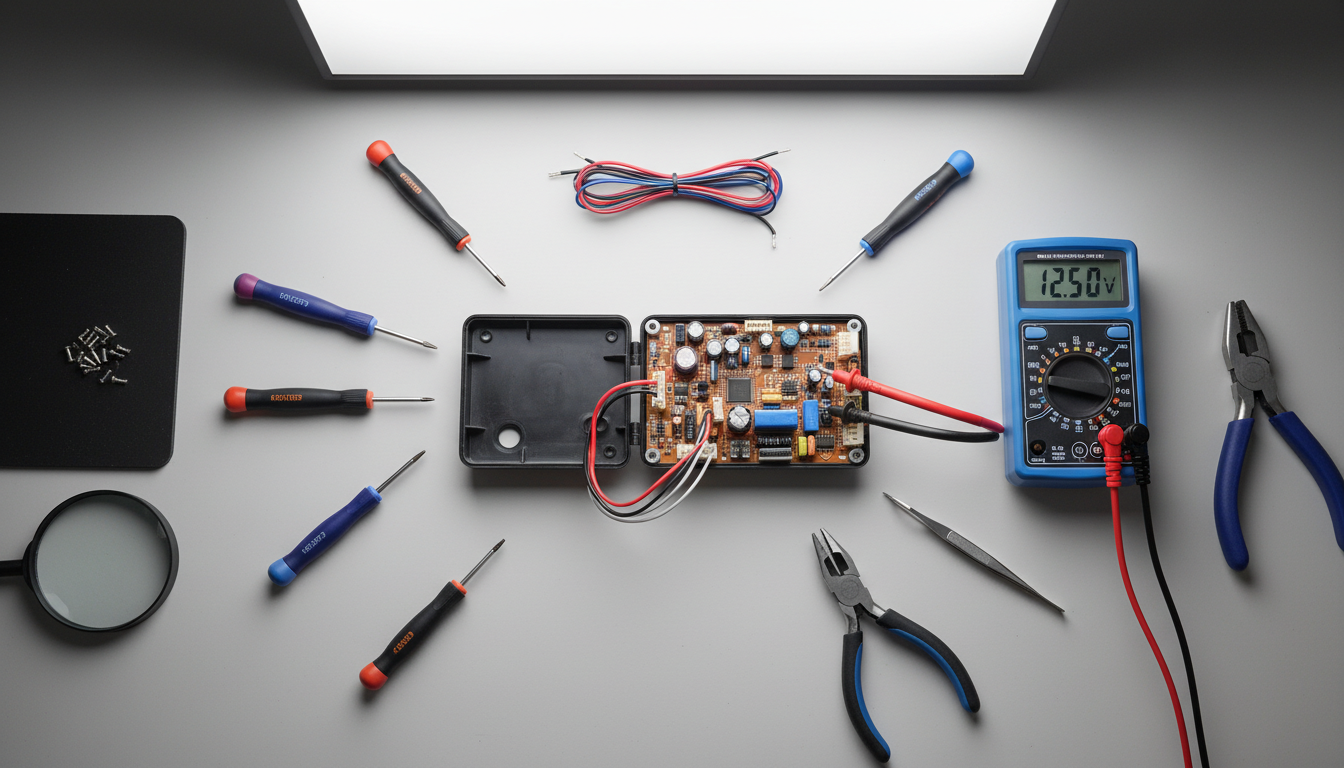
A technician’s workbench with an open e-bike controller and precision tools.
Performance Optimization
Mode Selection Strategies
Automatic Switching:
- Let controller algorithms choose optimal mode
- Reduces rider workload and decision-making
- Ensures optimal performance without manual intervention
- Requires advanced controller with intelligent algorithms
Manual Selection:
- Rider chooses mode based on conditions
- Maximum control over system behavior
- Requires understanding of mode characteristics
- Suitable for experienced users
Efficiency Optimization
3-Mode Efficiency:
- Always operates in most efficient mode for conditions
- Automatic optimization reduces energy waste
- Longer range through intelligent mode selection
- Superior battery life through optimal operation
Dual-Mode Efficiency:
- Good efficiency within available modes
- May not always have optimal mode available
- Requires careful mode combination selection
- Adequate efficiency for most applications
FAQ Section
Is a 3-mode controller worth the extra cost?
For riders who encounter varied conditions, need maximum reliability, or use their e-bike professionally, the 3-mode controller’s flexibility and fail-safe capability justify the additional cost. For casual riders with consistent usage patterns, a well-chosen dual-mode controller provides excellent value.
Can I upgrade from dual-mode to 3-mode later?
Controller upgrades typically require replacing the entire unit, as the modes are determined by the controller’s hardware and firmware. It’s better to choose the right controller initially rather than plan for upgrades.
Which dual-mode combination is most popular?
Sine wave + square wave is the most popular combination because it provides both efficiency for normal riding and power for demanding conditions. However, sine wave + sensorless is gaining popularity due to its reliability benefits.
Do 3-mode controllers have more problems than dual-mode?
Quality 3-mode controllers from reputable manufacturers are typically more reliable because they have backup modes and advanced protection features. However, they are more complex, so proper installation and setup are more critical.
How do I know which modes I actually need?
Analyze your riding patterns: if you need quiet operation (sine wave), maximum power (square wave), and backup capability (sensorless), choose 3-mode. If you only need two of these capabilities, dual-mode may be sufficient.
Conclusion
The choice between 3-mode and dual-mode controllers depends on your specific needs, budget, and riding patterns. 3-mode controllers offer ultimate flexibility and reliability through comprehensive mode coverage and fail-safe operation, making them ideal for varied riding conditions and professional applications.
Dual-mode controllers provide excellent value by focusing on the two most important modes for your specific use case. They offer simplified operation, lower cost, and adequate performance for most riders while maintaining the key benefits of multi-mode operation.
Consider your riding patterns, reliability requirements, and budget constraints when making this decision. For maximum versatility and peace of mind, 3-mode controllers represent the premium choice. For focused performance at a reasonable cost, carefully selected dual-mode controllers deliver excellent value and capability.


 English
 Spanish
 Portuguese
 French
 Russian
 Korean
 Arabic
 Italian
 German