
Meta Description: Complete 48V e-bike controller buyer’s guide for 2026. Compare torque, range, and noise levels to find the best 48V FOC controller for your build.
Introduction
48V controllers offer the optimal balance of performance, efficiency, and cost for most e-bike applications, delivering 500-1500W power capability with excellent range and reasonable component costs. This voltage level provides sufficient power for urban commuting, recreational riding, and light cargo applications while maintaining legal compliance and component affordability.
The 48V standard has matured significantly, with modern intelligent controllers offering advanced features previously reserved for higher voltage systems. JRAHK’s 48V controllers feature automatic voltage detection, tri-mode operation, and sophisticated power management that maximizes the potential of this versatile voltage platform.
48V System Advantages
Power and Performance Characteristics
48V systems deliver compelling performance across key metrics:
Power Range: 500-1500W typical capability Speed Range: 25-35 km/h depending on motor and gearing Torque Output: Excellent for urban and recreational applications Efficiency: 88-94% typical system efficiency Component Compatibility: Widest selection of compatible components
Cost-Effectiveness Analysis
| System Component | 48V Cost | 60V Cost | 72V Cost | 48V Advantage |
|---|---|---|---|---|
| Battery Pack | $300-600 | $400-800 | $500-1000 | 25-40% savings |
| Controller | $150-400 | $200-500 | $300-700 | 25-43% savings |
| Motor | $200-400 | $250-500 | $300-600 | 17-33% savings |
| Total System | $650-1400 | $850-1800 | $1100-2300 | 24-39% savings |
Legal Compliance Benefits
Speed Regulation Compliance:
- Naturally stays within most legal speed limits
- Easy programming for 25km/h EU compliance
- Suitable for US Class 1 and Class 2 applications
- Reduces risk of accidental speed limit violations
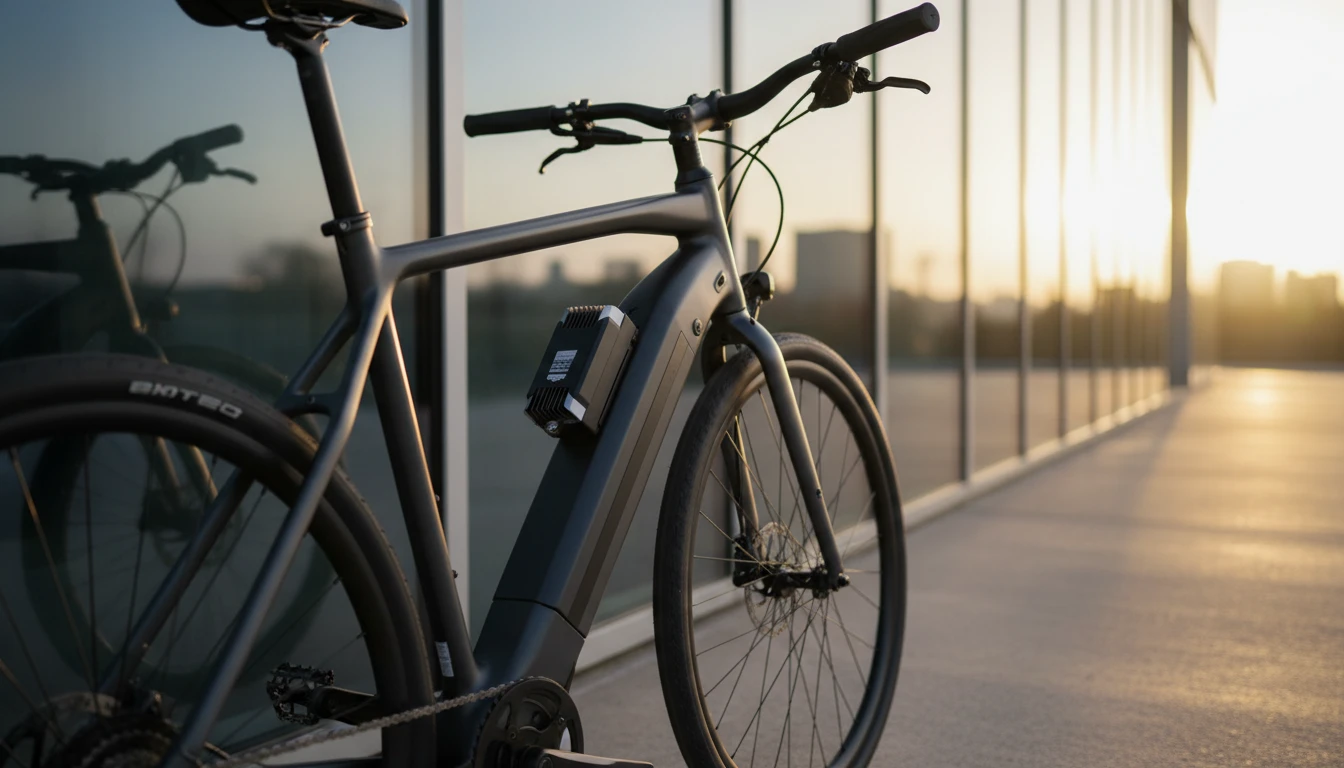
A modern, high-end e-bike demonstrating the clean integration of 48V power systems in an urban setting.
Torque Performance Analysis
Torque Delivery Characteristics
48V controllers provide excellent torque across different operating modes:
Sine Wave Mode Torque:
- Smooth, consistent torque delivery
- Excellent low-speed performance
- Optimal for stop-and-go traffic
- Superior efficiency during acceleration
Square Wave Mode Torque:
- Maximum instantaneous torque output
- Excellent hill climbing capability
- Strong performance under load
- Ideal for cargo and utility applications
Torque Comparison by Controller Type
| Controller Type | Starting Torque | Continuous Torque | Peak Torque | Best Application |
|---|---|---|---|---|
| Basic 48V | Good | Adequate | Limited | Budget builds |
| Advanced 48V FOC | Excellent | Superior | High | Performance builds |
| Tri-Mode 48V | Excellent | Superior | Maximum | Versatile applications |
| High-Current 48V | Very Good | Excellent | Very High | Heavy-duty use |
Real-World Torque Applications
Urban Hill Climbing:
- 15% grades: Excellent performance with proper gearing
- 20% grades: Good performance, may require pedal assistance
- 25%+ grades: Adequate with low gearing and rider input
Cargo Hauling Capability:
- 20-30kg additional load: Minimal performance impact
- 30-50kg additional load: Noticeable but manageable
- 50kg+ additional load: Requires careful controller selection
Pro Tip: When evaluating 48V controllers for torque performance, focus on continuous current rating rather than peak specifications. A controller rated for 25A continuous will provide more consistent torque than one rated for 40A peak but only 15A continuous. Look for controllers with intelligent thermal management that can maintain high current output without overheating, and consider tri-mode controllers that can switch to square wave mode for maximum torque when climbing hills or carrying heavy loads.

An e-bike displaying powerful hill-climbing torque on a steep city incline during the golden hour.
Range Optimization
Efficiency Factors Affecting Range
Controller Efficiency Impact:
- FOC controllers: 92-95% efficiency typical
- Square wave controllers: 85-90% efficiency typical
- Efficiency difference: 5-10% range improvement with FOC
Battery Utilization Optimization:
- Intelligent power management extends usable capacity
- Voltage sag compensation maintains performance
- Regenerative braking recovers energy during stops
- Smart algorithms optimize power delivery for maximum range
Range Performance by Application
| Riding Style | Battery Capacity | Expected Range | Efficiency Tips |
|---|---|---|---|
| Urban Commuting | 48V 10Ah | 40-60 km | Use sine wave mode, moderate speeds |
| Recreational Riding | 48V 12Ah | 50-75 km | Mixed modes, efficient riding style |
| Cargo Hauling | 48V 15Ah | 35-55 km | Square wave for hills, sine wave for flats |
| Performance Riding | 48V 20Ah | 60-100 km | Mode selection based on terrain |
Range Enhancement Features
Advanced 48V Controller Features:
- Regenerative braking for energy recovery
- Intelligent power curves for efficiency optimization
- Battery voltage compensation for consistent performance
- Eco modes for maximum range extension
Noise Level Comparison
Acoustic Performance Analysis
48V controllers vary significantly in noise output depending on control method:
FOC Sine Wave Controllers:
- Noise Level: 35-40 dB (whisper quiet)
- Characteristics: Virtually silent operation
- Best for: Urban environments, noise-sensitive areas
- Premium: Worth the cost for quiet operation
Square Wave Controllers:
- Noise Level: 50-55 dB (audible whine)
- Characteristics: Electrical and mechanical noise
- Best for: Utility applications, budget builds
- Acceptable: For non-noise-sensitive applications
Hybrid/Tri-Mode Controllers:
- Noise Level: Variable (35-55 dB depending on mode)
- Characteristics: User-selectable noise levels
- Best for: Versatile applications requiring both quiet and power modes
- Optimal: Best of both worlds approach
Noise Reduction Strategies
| Noise Source | Reduction Method | Effectiveness | Implementation |
|---|---|---|---|
| Controller Switching | FOC algorithms | Excellent | Choose sine wave controllers |
| Motor Mechanical | Quality motors, proper mounting | Good | Component selection |
| Drivetrain | Chain/belt maintenance | Moderate | Regular maintenance |
| Electrical Interference | Proper grounding, shielding | Good | Professional installation |
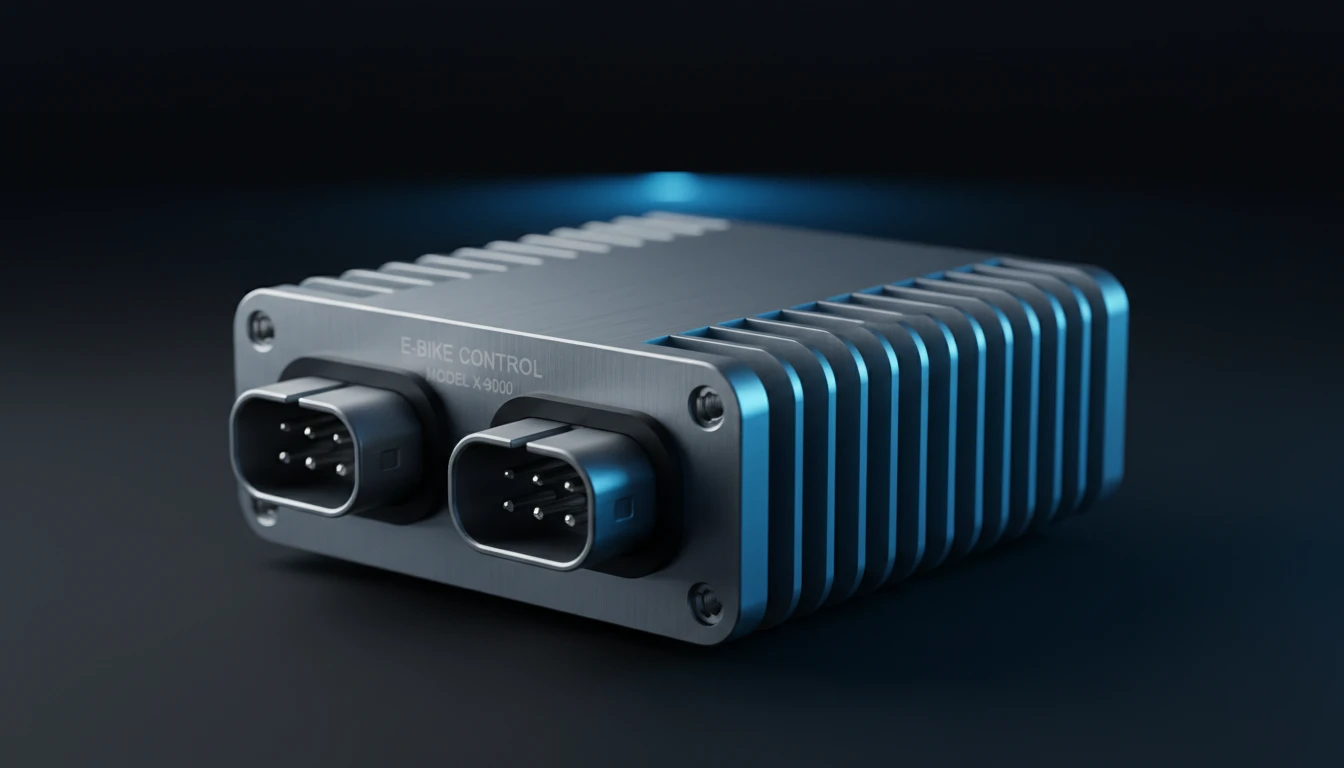
A detailed macro view of a high-performance FOC controller highlighting its heat management and technical precision.
48V Controller Selection Guide
Performance Tier Classification
Entry Level (Under $200):
- Basic square wave operation
- 15-20A continuous current
- Standard protection features
- Suitable for budget builds and basic applications
Mid-Range ($200-400):
- FOC sine wave capability
- 20-30A continuous current
- Advanced protection and monitoring
- Ideal for most recreational and commuting applications
Premium ($400-600):
- Tri-mode operation with intelligent switching
- 30-40A continuous current
- Professional-grade features and diagnostics
- Perfect for high-performance and commercial applications
Feature Comparison Matrix
| Feature Category | Entry Level | Mid-Range | Premium | Importance |
|---|---|---|---|---|
| Control Method | Square Wave | FOC Sine Wave | Tri-Mode | High |
| Current Capacity | 15-20A | 20-30A | 30-40A | High |
| Efficiency | 85-88% | 92-94% | 94-96% | High |
| Noise Level | 50-55dB | 35-40dB | Variable | Medium-High |
| Protection Features | Basic | Advanced | Comprehensive | High |
| Diagnostics | Limited | Good | Excellent | Medium |
Motor Compatibility Considerations
Hub Motor Applications:
- Geared hub motors: Excellent compatibility across all 48V controllers
- Direct drive hub motors: Benefit from higher current capacity controllers
- High-power hub motors: Require premium controllers for optimal performance
Mid-Drive Applications:
- Standard mid-drives: Mid-range controllers typically sufficient
- High-torque mid-drives: Premium controllers recommended
- Custom mid-drives: Professional-grade controllers often required
Installation and Setup Considerations
Wiring and Connection Requirements
Standard 48V Wiring:
- 12-14 AWG for motor phase wires
- 10-12 AWG for battery connections
- Proper fusing: 25-35A depending on controller
- Weather-resistant connectors essential
Advanced Installation Features:
- Plug-and-play connectors for easy installation
- Color-coded wiring harnesses
- Comprehensive installation documentation
- Technical support availability
Configuration and Tuning
Basic Setup Requirements:
- Motor parameter input
- Battery voltage configuration
- Current limit setting
- Basic protection parameters
Advanced Tuning Options:
- Custom power curves
- Acceleration profiles
- Regenerative braking adjustment
- Multi-user profiles
Maintenance and Reliability
Long-Term Reliability Factors
Component Quality Indicators:
- MOSFET specifications and thermal management
- Capacitor quality and temperature ratings
- Connector quality and corrosion resistance
- Housing material and environmental sealing
Maintenance Requirements:
- Regular connection inspection and cleaning
- Firmware updates when available
- Parameter backup and restoration
- Professional service intervals
Troubleshooting Common Issues
| Issue | Likely Cause | Solution | Prevention |
|---|---|---|---|
| Reduced Power | Thermal limiting | Check cooling, reduce load | Proper ventilation |
| Intermittent Operation | Loose connections | Inspect and tighten | Quality installation |
| Error Codes | Parameter mismatch | Reconfigure settings | Professional setup |
| Overheating | Inadequate cooling | Improve airflow | Proper mounting |
FAQ Section
What’s the maximum power I can get from a 48V controller?
High-end 48V controllers can handle 1500-2000W peak power, though 1000-1500W is more typical for continuous operation. The actual power depends on the controller’s current capacity and your motor’s specifications.
Are 48V controllers suitable for cargo bikes?
Yes, 48V controllers work well for cargo bikes, especially tri-mode controllers that can provide maximum torque in square wave mode for hills and smooth operation in sine wave mode for efficiency. Choose controllers with 25A+ continuous current for heavy cargo applications.
How do I choose between FOC and square wave 48V controllers?
Choose FOC (sine wave) controllers if you prioritize efficiency, quiet operation, and smooth performance. Choose square wave controllers if you need maximum torque, have budget constraints, or use your e-bike in utility applications where noise isn’t a concern.
Can 48V controllers work with different battery capacities?
Yes, 48V controllers work with any 48V battery capacity (measured in amp-hours). Higher capacity batteries provide longer range but don’t change the controller’s power output. Ensure your battery can supply the controller’s maximum current requirements.
What’s the lifespan of a quality 48V controller?
Quality 48V controllers typically last 5-10 years with proper installation and maintenance. Premium controllers with better thermal management and component quality often exceed 10 years. Harsh operating conditions and poor installation can significantly reduce lifespan.
Conclusion
48V controllers represent the sweet spot for most e-bike applications in 2026, offering excellent performance, efficiency, and value. The mature technology provides reliable operation with wide component compatibility and reasonable costs across all system elements.
When selecting a 48V controller, prioritize your specific needs: choose FOC sine wave controllers for efficiency and quiet operation, consider tri-mode controllers for maximum versatility, and ensure adequate current capacity for your motor and intended use. The investment in a quality 48V controller pays dividends in performance, reliability, and user satisfaction.
Whether building a budget commuter, performance recreational bike, or commercial cargo vehicle, 48V controllers provide the foundation for successful e-bike systems that balance capability with practicality and cost-effectiveness.


 English
 Spanish
 Portuguese
 French
 Russian
 Korean
 Arabic
 Italian
 German