
Meta Description: Discover BLDC controllers for professional electric lawn mowers. Learn about quiet operation, commercial durability, and performance optimization.
Introduction
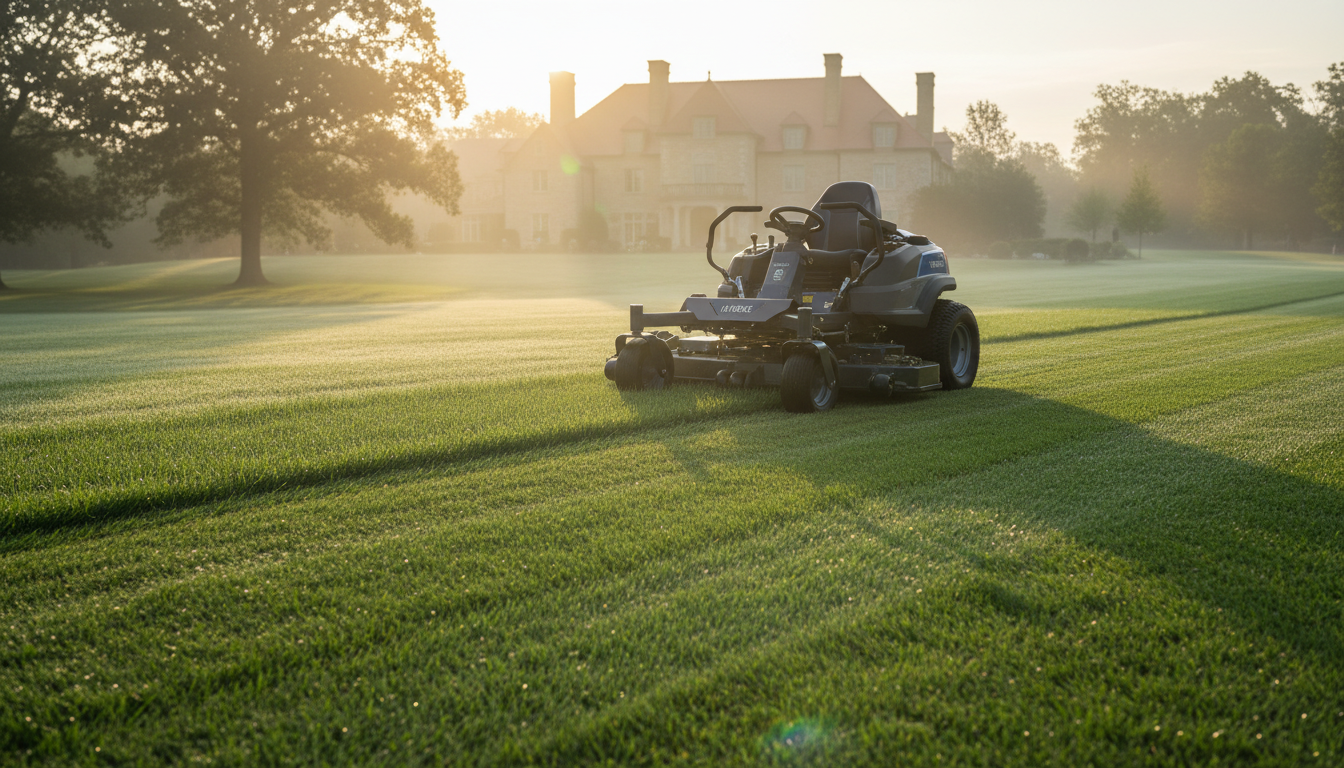
Professional electric lawn mowers require specialized BLDC controllers that deliver consistent power, operate silently for noise-sensitive commercial environments, and provide the reliability needed for daily commercial use. These controllers must handle sustained operation, variable load conditions, and the demanding duty cycles typical of professional landscaping applications.
Commercial lawn care has increasingly embraced electric equipment for noise compliance, environmental benefits, and operational cost advantages. JRAHK’s commercial-grade BLDC controllers feature robust construction, intelligent power management, and the quiet operation essential for professional landscaping services operating in residential and commercial areas with noise restrictions.
Commercial Lawn Mower Requirements
Power and Performance Specifications
Professional electric mowers demand specific performance characteristics:
Power Requirements:
- Walk-behind mowers: 1000-2000W typical
- Riding mowers: 2000-5000W depending on deck size
- Zero-turn mowers: 3000-8000W for large commercial units
- Sustained operation: Controllers must handle continuous duty cycles
Torque Characteristics:
- Consistent torque across varying grass conditions
- Instant response for thick or wet grass
- Overload capability for challenging conditions
- Smooth operation to prevent blade chatter
Commercial Duty Cycle Requirements
| Application Type | Daily Operation | Peak Load Duration | Reliability Requirements |
|---|---|---|---|
| Residential Service | 4-6 hours | 30-60 seconds | High reliability, quiet operation |
| Commercial Properties | 6-8 hours | 2-5 minutes | Very high reliability, consistent power |
| Municipal/Parks | 8-10 hours | 5-10 minutes | Maximum reliability, all-weather operation |
| Golf Course | 10-12 hours | Continuous | Professional grade, precision control |
Noise Considerations for Commercial Use
Noise Regulation Compliance
Professional lawn care must comply with various noise ordinances:
Residential Area Limits:
- Typical limits: 55-65 dB during daytime hours
- Early morning restrictions: Often 50-55 dB before 8 AM
- Weekend limitations: Reduced hours and noise levels
- Noise-sensitive zones: Hospitals, schools require <50 dB
Commercial Benefits of Quiet Operation:
- Extended operating hours in noise-restricted areas
- Improved customer satisfaction and retention
- Competitive advantage in noise-sensitive markets
- Compliance with municipal noise ordinances
Controller Technology for Quiet Operation
FOC Sine Wave Controllers:
- Noise levels: 35-45 dB typical operation
- Smooth torque delivery eliminates mechanical noise
- High-frequency switching above human hearing
- Advanced algorithms minimize electromagnetic interference
Noise Reduction Comparison:
| Controller Type | Noise Level | Commercial Suitability | Cost Premium |
|---|---|---|---|
| Basic Square Wave | 55-65 dB | Poor – too noisy | Lowest |
| Advanced Square Wave | 50-55 dB | Marginal | Low |
| Basic FOC | 45-50 dB | Good | Moderate |
| Professional FOC | 35-45 dB | Excellent | Higher |
Pro Tip: When selecting controllers for commercial lawn mowers, prioritize models with intelligent load sensing that can automatically adjust power output based on grass conditions. This feature not only optimizes battery life but also reduces unnecessary noise during light-load operation. Look for controllers with programmable power curves that allow you to optimize performance for different grass types and conditions while maintaining the quiet operation essential for professional use in noise-sensitive environments.

Durability and Reliability Features
Environmental Protection Requirements
Commercial mowers operate in challenging conditions requiring robust protection:
Weather Resistance:
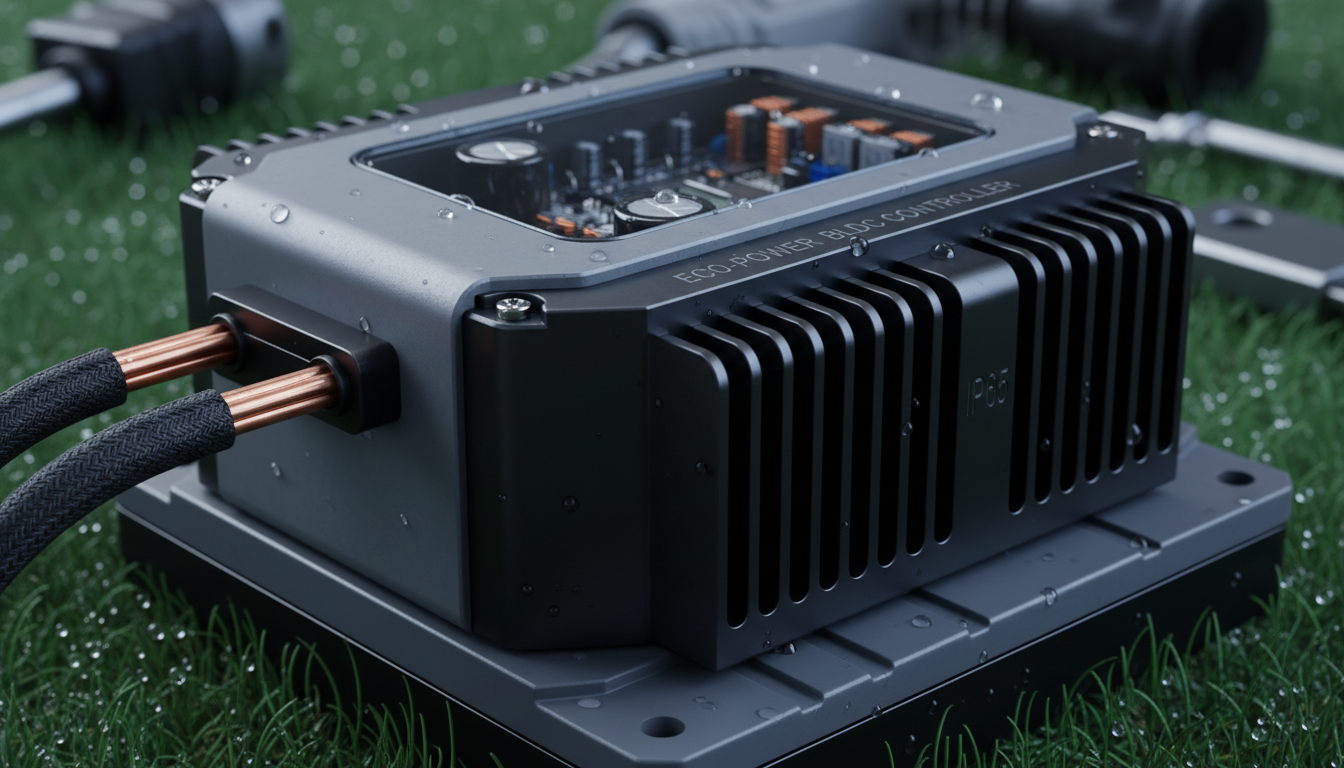
- IP65+ rating for dust and water protection
- Operating temperature range: -10°C to +50°C
- Humidity resistance for morning dew operation
- Corrosion protection for fertilizer and chemical exposure
Vibration and Shock Resistance:
- Reinforced mounting systems for mower deck vibration
- Shock-resistant component selection
- Vibration isolation for sensitive electronics
- Impact protection for rough terrain operation
Component Reliability Standards
Commercial-Grade Components:
- Automotive-quality MOSFETs and capacitors
- Extended temperature rating components
- Redundant protection systems
- Mean Time Between Failure (MTBF) ratings appropriate for commercial use
Protection System Requirements:
| Protection Type | Residential Grade | Commercial Grade | Professional Benefit |
|---|---|---|---|
| Overcurrent | Basic | Multi-level | Prevents damage from blade strikes |
| Thermal | Simple cutoff | Graduated response | Maintains operation in hot conditions |
| Overvoltage | Standard | Enhanced filtering | Protects from charging system issues |
| Undervoltage | Basic warning | Predictive shutdown | Prevents deep battery discharge |
Power Management for Commercial Applications
Battery Optimization
Commercial applications require sophisticated battery management:
Range Optimization:
- Intelligent power curves for maximum efficiency
- Load-based power adjustment
- Regenerative braking where applicable
- Battery condition monitoring and reporting
Battery Life Extension:
- Gentle charging algorithms
- Temperature-compensated charging
- Depth of discharge optimization
- Predictive maintenance alerts
Load Management Systems
Adaptive Power Control:
- Automatic power adjustment based on grass density
- Blade speed optimization for cutting efficiency
- Overload protection with automatic recovery
- Power reserve management for challenging conditions
Efficiency Optimization:
| Operating Condition | Power Management Strategy | Efficiency Gain | Battery Life Impact |
|---|---|---|---|
| Light Grass | Reduced power, optimized speed | 15-25% | Significant extension |
| Normal Conditions | Balanced power delivery | 10-15% | Moderate extension |
| Heavy/Wet Grass | Maximum power, overload protection | 5-10% | Maintains performance |
| Mulching Mode | Optimized blade speed control | 20-30% | Maximum efficiency |
Installation and Integration
Mower Integration Considerations
Mechanical Installation:
- Controller placement for optimal cooling
- Vibration isolation from mower deck
- Protection from grass clippings and debris
- Accessibility for maintenance and service
Electrical Integration:
- Heavy-duty wiring for high-current applications
- Weatherproof connectors throughout
- Proper grounding for safety and EMI reduction
- Integration with existing mower safety systems
Safety System Integration
Required Safety Features:
- Blade brake engagement with controller shutdown
- Operator presence detection integration
- Emergency stop functionality
- Automatic shutdown on tip-over or impact
Commercial Safety Standards:
- Compliance with ANSI/OPEI safety standards
- Integration with commercial mower safety systems
- Fail-safe operation in all conditions
- Professional-grade reliability and redundancy
Maintenance and Service
Preventive Maintenance Programs
Daily Maintenance (High-Use Commercial):
- Visual inspection of controller and connections
- Cleaning of cooling vents and heat sinks
- Battery condition monitoring
- Performance verification
Weekly Service:
- Detailed electrical connection inspection
- Cleaning of controller enclosure
- Battery performance testing
- System diagnostic review
Monthly Professional Service:
- Comprehensive system inspection
- Performance optimization and tuning
- Predictive maintenance analysis
- Documentation and reporting
Service and Support Requirements
Commercial Service Needs:
- Rapid response for equipment failures
- On-site service capability
- Comprehensive diagnostic tools
- Professional technical support
Maintenance Cost Considerations:
| Maintenance Level | Frequency | Typical Cost | Downtime Impact |
|---|---|---|---|
| Daily Checks | Daily | $0 (operator) | Minimal |
| Weekly Service | Weekly | $25-50 | 30 minutes |
| Monthly Professional | Monthly | $100-200 | 2-4 hours |
| Annual Overhaul | Annually | $300-600 | 1-2 days |
Performance Optimization
Cutting Performance Optimization
Blade Speed Control:
- Variable speed control for different grass types
- Automatic speed adjustment based on load
- Optimal speed for mulching vs. discharge
- Energy-efficient operation across all conditions
Power Delivery Optimization:
- Smooth acceleration to prevent belt slippage
- Consistent power under varying loads
- Overload protection with quick recovery
- Efficient operation for maximum battery life
Seasonal Optimization
Spring Setup (Heavy Growth):
- Higher power settings for thick grass
- Aggressive cutting profiles
- Extended runtime optimization
- Frequent charging cycle management
Summer Operation (Regular Maintenance):
- Balanced power and efficiency
- Heat management optimization
- Consistent performance in hot conditions
- Battery cooling considerations
Fall Cleanup (Leaf Mulching):
- Maximum power for leaf processing
- Specialized mulching algorithms
- Debris handling optimization
- Extended duty cycle capability
Cost-Benefit Analysis
Initial Investment Comparison
Controller Cost Analysis:
- Basic commercial controllers: $300-600
- Advanced FOC controllers: $600-1200
- Professional-grade systems: $1200-2500
- Total system integration: Add 50-100% for installation
Return on Investment:
- Fuel savings: $2000-5000 annually per mower
- Maintenance reduction: $500-1500 annually
- Extended operating hours: $1000-3000 additional revenue
- Noise compliance value: Difficult to quantify but significant
Long-Term Value Assessment
| Cost Factor | Gas Mower | Electric with Basic Controller | Electric with Professional Controller |
|---|---|---|---|
| Initial Cost | $3000-8000 | $4000-10000 | $5000-12000 |
| Annual Fuel/Energy | $1500-3000 | $300-600 | $250-500 |
| Annual Maintenance | $800-1500 | $400-800 | $300-600 |
| 5-Year Total Cost | $12000-23000 | $8000-14000 | $7500-13000 |
FAQ Section
What power level is needed for commercial lawn mowers?
Commercial mower power requirements vary by application: walk-behind mowers typically need 1000-2000W, riding mowers require 2000-5000W, and large zero-turn commercial units may need 3000-8000W. Size the controller for your specific mower and intended use.
How important is quiet operation for commercial lawn care?
Quiet operation is critical for commercial success, allowing extended operating hours, compliance with noise ordinances, and competitive advantages in noise-sensitive markets. FOC controllers providing <45 dB operation are essential for professional applications.
Can electric mowers match gas mower performance?
Modern electric mowers with proper BLDC controllers can match or exceed gas mower performance while providing instant torque, consistent power, and significantly lower operating costs. The key is selecting appropriate controllers for the application.
What maintenance is required for commercial electric mowers?
Electric mowers require less maintenance than gas units but need regular inspection of electrical connections, battery condition monitoring, and controller performance verification. Professional service every 6-12 months ensures optimal performance.
How do I justify the cost of professional-grade controllers?
Professional controllers provide better efficiency, reliability, and quiet operation that translate to lower operating costs, extended equipment life, and increased revenue potential through extended operating hours and customer satisfaction.
Conclusion
Professional electric lawn mowers represent a significant opportunity for commercial landscaping operations to reduce costs, comply with noise regulations, and provide superior service quality. Success depends on selecting appropriate BLDC controllers that can handle commercial duty cycles while providing the quiet operation and reliability that professional applications demand.
The investment in quality controllers pays dividends through reduced operating costs, extended equipment life, and the competitive advantages that come with quiet, efficient operation. As noise regulations become more stringent and environmental concerns grow, electric equipment with proper controllers becomes increasingly essential for commercial lawn care success.
Consider professional-grade controllers for commercial applications, as the additional cost is quickly offset by improved performance, reliability, and the operational advantages they provide in professional landscaping environments.
Visualized with Article Engine


 English
 Spanish
 Portuguese
 French
 Russian
 Korean
 Arabic
 Italian
 German