
Meta Description: Learn how to choose between 3-mode and dual-mode controllers for your e-bike build. Compare compatibility, features, and performance benefits.
Introduction
Selecting between 3-mode and dual-mode controllers requires matching your specific build requirements, motor compatibility, and performance goals with the controller’s capabilities and complexity level. The right choice depends on your motor type, intended use, technical expertise, and whether you prioritize maximum flexibility or streamlined operation.
Understanding controller compatibility with your specific components is crucial for optimal performance. JRAHK’s intelligent controllers offer both 3-mode and dual-mode options with wide voltage compatibility (36V-84V) and comprehensive motor support, ensuring seamless integration regardless of your build specifications.
Build Compatibility Assessment
Motor Compatibility Matrix
| Motor Type | 3-Mode Compatibility | Dual-Mode Compatibility | Optimal Controller Choice |
|---|---|---|---|
| Hub Motors (Geared) | Excellent | Excellent | Either – based on features needed |
| Hub Motors (Direct Drive) | Excellent | Good | 3-Mode for sensorless backup |
| Mid-Drive Motors | Excellent | Very Good | 3-Mode for versatility |
| High-Power Motors (2000W+) | Superior | Good | 3-Mode for thermal management |
| Budget Motors | Good | Excellent | Dual-Mode for cost efficiency |
Voltage System Considerations
36V-48V Systems:
- Both controller types work well
- Dual-mode often sufficient for lower power applications
- 3-mode provides future upgrade flexibility
- Cost difference less significant at lower voltages
60V-72V Systems:
- 3-mode controllers offer better high-voltage optimization
- Advanced thermal management becomes important
- Sensorless backup more valuable at higher powers
- Investment in 3-mode often justified
84V+ Systems:
- 3-mode controllers strongly recommended
- Advanced protection features essential
- Professional-grade reliability required
- Cost premium easily justified by performance benefits
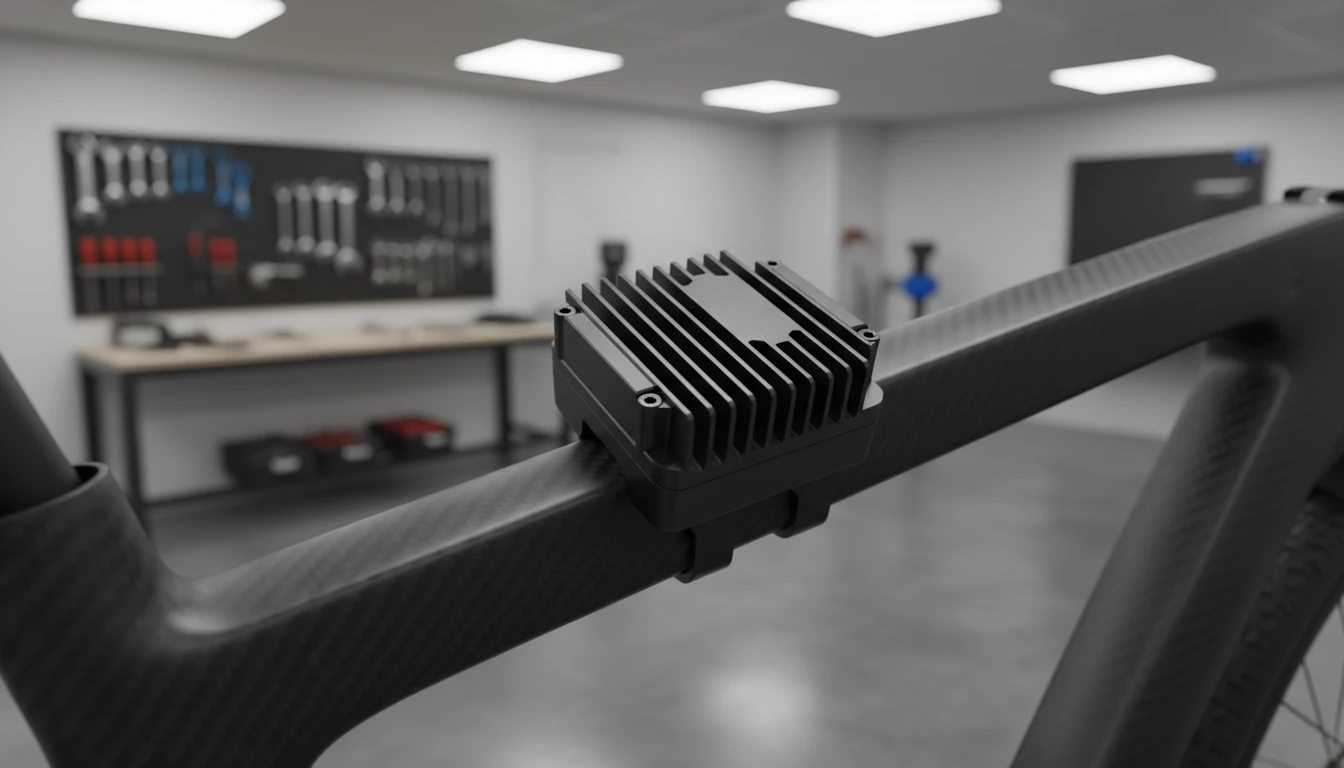
A high-performance e-bike controller system integrated into a modern build.
Build Type Analysis
DIY First-Time Builds
Dual-Mode Advantages:
- Simplified setup and configuration process
- Fewer parameters to understand and adjust
- More forgiving of setup mistakes
- Lower learning curve for beginners
Recommended Dual-Mode Combinations:
- Sine Wave + Square Wave: Most versatile for learning
- Sine Wave + Sensorless: Good reliability with efficiency focus
- Square Wave + Sensorless: Budget-friendly with backup capability
Experienced Builder Projects
3-Mode Benefits:
- Complete control over system behavior
- Advanced tuning and optimization capabilities
- Professional-grade features and diagnostics
- Maximum performance extraction possible
Advanced Features Utilized:
- Custom parameter programming
- Advanced diagnostic capabilities
- Multi-profile configuration
- Integration with monitoring systems
Commercial and Professional Builds
| Build Type | Recommended Controller | Key Requirements | Justification |
|---|---|---|---|
| Delivery Fleet | 3-Mode | Reliability, efficiency, power | Uptime critical, varied conditions |
| Rental Systems | Dual-Mode | Simplicity, durability | User-friendly, maintenance efficiency |
| Racing/Performance | 3-Mode | Maximum power, tuning | Performance optimization essential |
| Utility Vehicles | Dual-Mode or 3-Mode | Depends on application | Cost vs. capability balance |
Pro Tip: When building high-performance or commercial systems, prioritize controllers with comprehensive diagnostic capabilities and data logging features. These allow you to monitor system performance, predict maintenance needs, and optimize settings based on actual usage patterns. For DIY builds, focus on controllers with good documentation, active user communities, and responsive technical support rather than just maximum feature count. The best controller is one you can successfully configure and maintain.
Component Integration Considerations
Display and Interface Compatibility
3-Mode Controller Integration:
- Advanced displays with mode selection capabilities
- Real-time performance monitoring and diagnostics
- Parameter adjustment through display interface
- Professional-grade communication protocols (CAN, UART)
Dual-Mode Controller Integration:
- Simpler displays adequate for most functions
- Basic performance monitoring sufficient
- Streamlined interface reduces complexity
- Standard communication protocols widely supported
Battery Management Integration
Advanced Battery Features (3-Mode):
- Sophisticated battery protection algorithms
- Real-time battery health monitoring
- Adaptive charging and discharge management
- Integration with smart BMS systems
Standard Battery Features (Dual-Mode):
- Basic over/under voltage protection
- Standard current limiting
- Simple battery monitoring
- Compatible with most BMS systems
Sensor Integration Requirements
| Sensor Type | 3-Mode Integration | Dual-Mode Integration | Build Impact |
|---|---|---|---|
| Hall Sensors | Advanced processing | Standard processing | 3-Mode offers better optimization |
| Torque Sensors | Sophisticated algorithms | Basic algorithms | 3-Mode provides smoother response |
| Speed Sensors | Multiple input support | Single input typical | 3-Mode allows redundancy |
| Temperature Sensors | Comprehensive monitoring | Basic monitoring | 3-Mode enables predictive protection |

A modern e-bike display showing real-time diagnostic data during a test run.
Performance Optimization for Different Builds
Urban Commuter Builds
Dual-Mode Recommendation: Sine Wave + Sensorless
- Prioritizes efficiency and reliability
- Simplified operation for daily use
- Cost-effective for consistent usage patterns
- Adequate performance for urban conditions
3-Mode Alternative: Full tri-mode capability
- Adds square wave for hill climbing
- Maximum flexibility for varied routes
- Future-proof for changing needs
- Premium experience justifies cost
Performance and Enthusiast Builds
3-Mode Strongly Recommended:
- Maximum power extraction capabilities
- Advanced tuning for optimal performance
- Comprehensive diagnostic and monitoring
- Professional-grade reliability and features
Key Performance Features:
- Real-time performance optimization
- Advanced thermal management
- Customizable power delivery curves
- Integration with performance monitoring systems
Budget-Conscious Builds
Dual-Mode Advantages:
- Lower initial investment
- Simplified maintenance requirements
- Adequate performance for most applications
- Good upgrade path when budget allows
Cost Optimization Strategies:
- Choose dual-mode combination matching primary use
- Focus on reliable basic features over advanced capabilities
- Consider upgrade path for future enhancement
- Balance cost with essential safety features
Technical Setup and Configuration
Installation Complexity Comparison
3-Mode Setup Requirements:
- Motor parameter identification and input
- Hall sensor timing optimization
- Multi-mode transition tuning
- Advanced protection parameter setting
- Performance optimization across all modes
Dual-Mode Setup Requirements:
- Basic motor parameter input
- Simple mode selection configuration
- Standard protection settings
- Minimal tuning for adequate performance
Configuration Tools and Support
| Configuration Aspect | 3-Mode Controllers | Dual-Mode Controllers | Skill Level Required |
|---|---|---|---|
| Software Tools | Advanced programming software | Basic configuration utilities | 3-Mode: Advanced, Dual-Mode: Intermediate |
| Parameter Count | 50-100+ adjustable parameters | 20-40 adjustable parameters | 3-Mode: Expert, Dual-Mode: Novice-Intermediate |
| Documentation | Comprehensive technical manuals | Simplified setup guides | 3-Mode: Technical background helpful |
| Support Requirements | Technical expertise beneficial | General e-bike knowledge sufficient | 3-Mode: May need professional help |
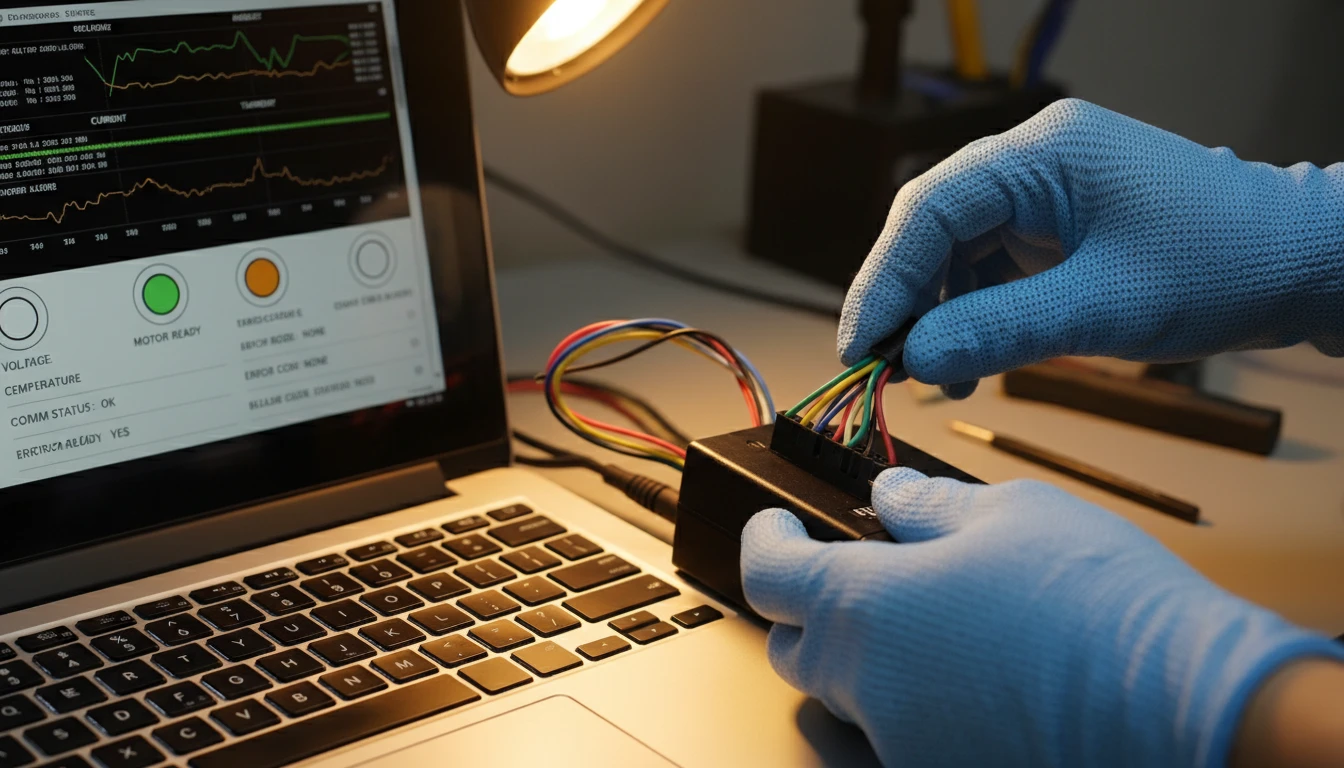
A technical specialist configuring controller parameters via professional software.
Long-Term Build Considerations
Upgrade and Expansion Potential
3-Mode Future-Proofing:
- Accommodates component upgrades easily
- Advanced features grow with user expertise
- Professional-grade expandability
- Higher resale value retention
Dual-Mode Limitations:
- May require controller replacement for major upgrades
- Limited expansion of advanced features
- Adequate for stable, consistent builds
- Lower resale value but also lower initial investment
Maintenance and Service
3-Mode Maintenance:
- More sophisticated diagnostic capabilities
- Predictive maintenance features
- Professional service may be beneficial
- Higher complexity requires more technical knowledge
Dual-Mode Maintenance:
- Straightforward troubleshooting
- DIY-friendly service procedures
- Lower complexity reduces service requirements
- Widely available service support
Decision Framework for Your Build
Build Assessment Questions
Technical Expertise Level:
- Are you comfortable with advanced configuration?
- Do you have access to technical support if needed?
- Is learning advanced features part of your build goals?
Performance Requirements:
- Do you need maximum power and efficiency?
- Will you encounter varied riding conditions?
- Is backup capability important for your use case?
Budget Considerations:
- Can you justify the 3-mode premium for your application?
- Are long-term benefits worth higher initial cost?
- Does your build budget allow for premium components?
Build Type Recommendations
| Build Category | Controller Recommendation | Rationale | Key Considerations |
|---|---|---|---|
| First DIY Build | Dual-Mode (Sine + Square) | Learning-friendly, versatile | Focus on successful completion |
| Performance Build | 3-Mode (Full capability) | Maximum optimization potential | Expertise and budget available |
| Commuter Build | Dual-Mode (Sine + Sensorless) | Reliability and efficiency focus | Daily use prioritizes dependability |
| Commercial Build | 3-Mode (Full capability) | Professional requirements | Uptime and performance critical |
| Budget Build | Dual-Mode (Square + Sensorless) | Cost-effective functionality | Essential features only |
FAQ Section
How do I know if my motor is compatible with 3-mode controllers?
Most modern BLDC motors with Hall sensors are compatible with 3-mode controllers. Check your motor’s specifications for voltage rating, power handling, and sensor configuration. Controllers with wide voltage compatibility (36V-84V) and automatic motor detection simplify compatibility concerns.
Can I start with dual-mode and upgrade to 3-mode later?
Controller upgrades typically require replacing the entire unit rather than upgrading existing hardware. It’s more cost-effective to choose the right controller initially. However, dual-mode controllers can be good stepping stones to learn system basics before investing in 3-mode capability.
Which dual-mode combination is best for beginners?
Sine wave + square wave is the most versatile combination for beginners, providing both efficiency and power options. This combination covers most riding scenarios while being relatively straightforward to configure and use.
Do 3-mode controllers require professional installation?
While not strictly required, professional installation is recommended for 3-mode controllers, especially for high-power applications. The advanced features and configuration options benefit from experienced setup to achieve optimal performance.
How much more difficult is 3-mode controller setup?
3-mode controllers typically require 2-3 times more configuration parameters and setup time compared to dual-mode controllers. However, many include setup wizards and auto-detection features that simplify the process for users willing to learn.
Conclusion
Choosing between 3-mode and dual-mode controllers for your build requires honest assessment of your technical capabilities, performance requirements, and budget constraints. 3-mode controllers offer maximum flexibility and professional-grade features but require more expertise and investment.
Dual-mode controllers provide excellent value and performance for most applications while maintaining simplicity and affordability. The key is matching the controller’s capabilities to your specific build requirements rather than simply choosing the most advanced option available.
Consider your long-term goals, technical comfort level, and intended use patterns when making this decision. Both controller types can deliver excellent results when properly matched to the application and configured correctly for your specific build requirements.
 English
 Spanish
 Portuguese
 French
 Russian
 Korean
 Arabic
 Italian
 German